
YOUR FIRST IN-PERSON INTERVIEW PREPARATION
We’re thrilled for your first on-site interview. This page will serve as your one-stop guide to make sure you arrive confident, prepared, and ready to impress.
Prep Page
The following tips and tricks are specific to the job for which you are interviewing.
PREP CHECKLIST
Video Interview Essentials
Your first interview will be virtual. Video interviews are becoming the norm—especially for your first few rounds in the hiring process. Here’s how to show up like a pro, even if it’s your first time.
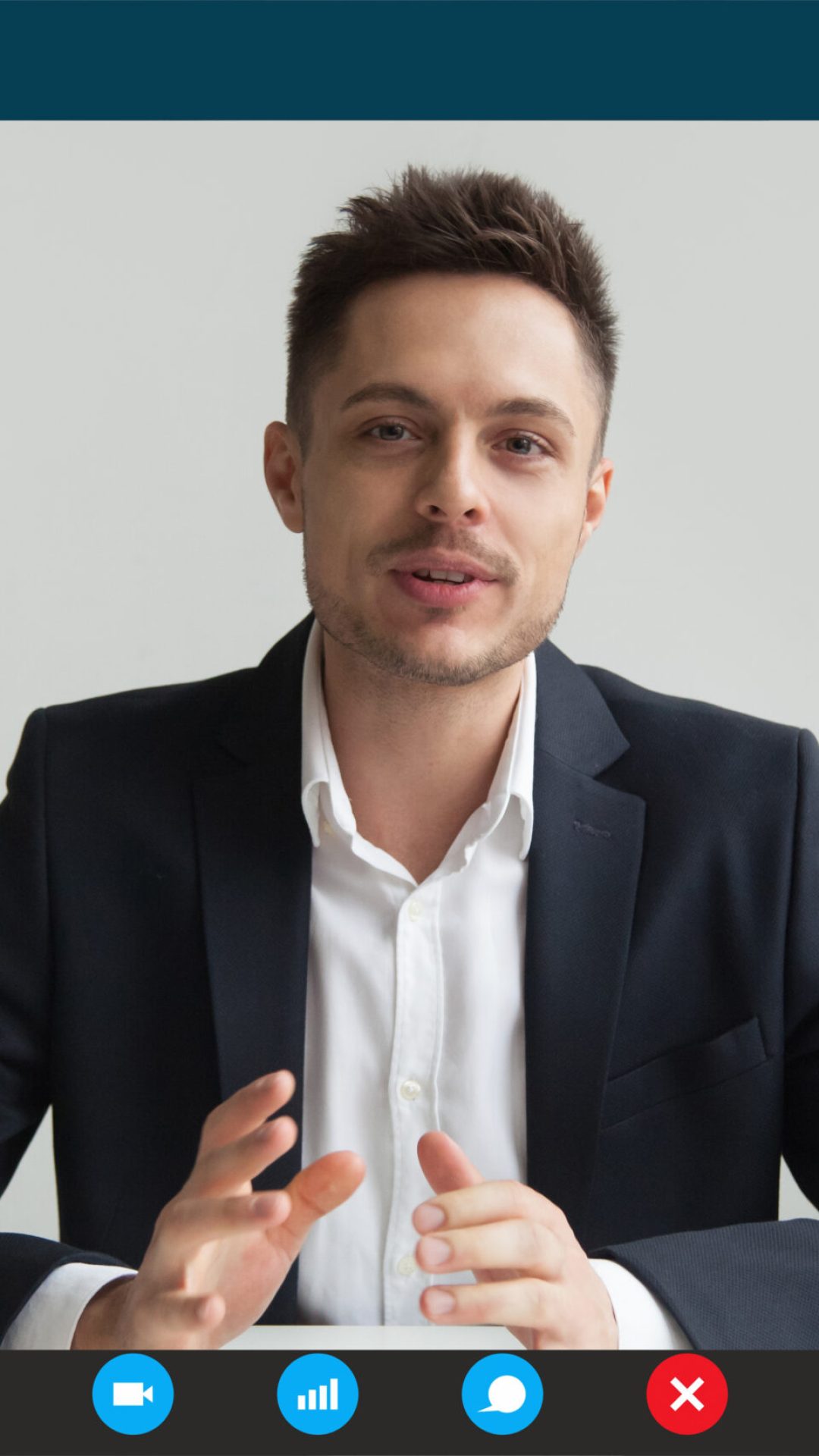
Before the Interview
Test your tech: Make sure your camera, microphone, and internet connection are working smoothly. Use Zoom, Google Meet, or whatever platform the interviewer has chosen.
Set the scene: Choose a quiet, well-lit space with a neutral background. Avoid clutter or anything that could distract from you.
Dress professionally: Wear the same outfit you’d choose for an in-person interview—this shows you’re taking it seriously.
Know your resume: Have a printed copy or digital version in front of you so you can refer to your experience easily.
Practice common questions: Be ready to answer “Tell me about yourself,” “Why this job?” and “What are your strengths?”
During the Interview
Log in early: Aim to join the meeting 5 minutes before the scheduled time.
Look at the camera: Avoid looking using your phone. It feels more natural to look at the screen, but try to keep your eyes on the camera when speaking to simulate eye contact.
Speak clearly and confidently: Take your time answering questions and avoid filler words like “um” or “like” where possible.
Use your notes—but don’t read: It’s okay to have notes, just make sure you’re conversational and not reading word-for-word.
Show your interest: Nod, smile, and engage. Let the interviewer see you’re genuinely excited.
PREP CHECKLIST
In-Person Interview Essentials
Interviewers notice things that may not seem obvious to you, but are important to them. Please pay special attention to the following tips.
- Dress professionally and bring a notebook and pen for taking notes.
- Have an updated resume. Customize yours here for free.
- Avoid bringing distractions such as coffee, other drinks, or a cellphone with the ringer on. A focused, distraction-free presence makes a strong impression.
- This interview will be more conversational in nature, so come prepared to engage and interact naturally.
- Employers often hire people they connect with, so a friendly, back-and-forth dialogue is a great way to build rapport.
- Be sure to highlight the qualities and experiences that make you a strong fit for the role.
- If asked about previous employers or managers, avoid speaking negatively. Hiring teams value professionalism, so it’s important to frame past challenges respectfully and focus on what you learned.
- Be prepared to discuss your resume in depth—including your reasons for leaving previous roles, areas where you excelled, and what you might have done differently. Self-awareness and honesty are key.


What They're Looking For
- High energy and positive body language
- Resilience – be ready to share how you overcame challenges
- Coachability and adaptability
- Confidence and comfort in a competitive sales environment
- Process-oriented mindset – can you follow structure and direction?
Have 3–4 personal success stories ready to share.
SAMPLE INTERVIEW QUESTIONS

"Tell me about yourself and your work experience"
Be ready to talk about your resume in depth and answer questions about any work or other experiences listed.
Prepare responses to these:
- What have you learned in your previous job(s)?
- What accomplishments are you most proud of?
- What are some challenges or lessons you have learned?
- If you could change one thing about your last position, what would it be?
- If you were working with someone and they somehow cost you your deal, how would you handle that?
- What kind of sales experience do you have?
- How would your boss rank you on a sale of 1-10
- How do you react to stress in the workplace?
- How would you manage a team of people?
- How long would you be willing to give this job a chance?
- What motivates and drives you?

ADVERSITY QUESTION
Interviewers remember stories. A thoughtful challenge-response makes your interview more engaging, human, and memorable — especially if you’re up against candidates with similar backgrounds. When you reflect on what was difficult and how you handled it, you show that you learn from experience. That kind of growth mindset is a major green flag for hiring managers — especially if you’re new to the workforce.
"TELL ME ABOUT A CHALLENGE YOU'VE OVERCOME"
ANSWER USING THE STAR METHOD
STEP-BY-STEP PROCESS
S – Situation:
What was going on? Set the scene.
Think: a group project, a part-time job, a team issue, a personal struggle during school, etc.
T – Task:
What was your responsibility in that situation?
Example: finishing a project, helping a struggling teammate, managing your time.
A – Action:
What did you do to solve the problem? Be specific.
Did you organize something? Step up and lead? Communicate clearly? Adapt?
R – Result:
What happened as a result of your actions?
Focus on something measurable (a good grade, positive feedback, personal growth, etc.).
SAMPLE ANSWER
S – Situation:
In my junior year of college, I was part of a marketing class where we had to complete a semester-long group project for a real client.
T – Task:
Our group was responsible for creating and presenting a full marketing campaign. Early in the semester, one teammate dropped the class and the rest of us were struggling to reorganize and stay on schedule.
A – Action:
I stepped in to take on part of the missing teammate’s workload and suggested we create a shared project timeline with weekly task deadlines. I also organized short check-ins after class so we could keep communication open and adjust if anyone was falling behind.
R – Result:
The structure helped us stay on track, and we ended up delivering a presentation the client really liked. Our group received an A on the project, and our professor used our campaign as an example for the next class. It taught me how important flexibility, communication, and initiative are—especially when a team hits unexpected obstacles.
INTERVIEWERS ASK THESE QUESTIONS TO ASSESS:
- How you respond under pressure
- Whether you can problem-solve and stay composed
- If you take ownership or initiative
- How well you reflect and learn from experiences
Using a clear structure like STAR makes your answer sound thoughtful, organized, and confident—even if the situation wasn’t a “huge” challenge.
QUESTIONS TO ASK THEM
Write down 5–7 of your own questions in your notebook.
Asking questions during a job interview is essential—it shows you’re engaged, curious, and genuinely interested in the role and the company. It’s also your chance to assess whether the position is a good fit for you. Employers often view candidates who ask thoughtful questions as more prepared, confident, and invested in their future.
If you need to review information about what is involved with this particular job opportunity, please review the job overview.
Why You Should Ask Questions:
- Demonstrates interest and preparation
- Shows you’re thinking long-term
- Helps you evaluate if the role and company culture align with your goals
- Creates a two-way conversation, rather than a one-sided interrogation
- Builds rapport with the interviewer
Here are some to start:
About the Role:
- What does a typical day look like in this position?
- What would success look like in the first 90 days?
- What are the most immediate challenges someone in this role would face?
About the Team & Culture:
- Can you tell me about the team I’d be working with?
- How would you describe the company culture here?
- How does the team communicate and collaborate?
About Growth & Development:
- Are there opportunities for professional development or advancement?
- What have successful people in this role gone on to do?
About the Company:
- How has the company evolved in the past few years?
- What are the company’s priorities over the next 6–12 months?
Before You Leave:
- Is there anything about my background or resume that gives you pause?
- What are the next steps in the interview process?
Find more great questions here: The Muse – 70 Smart Questions to Ask in an Interview